
Civil War
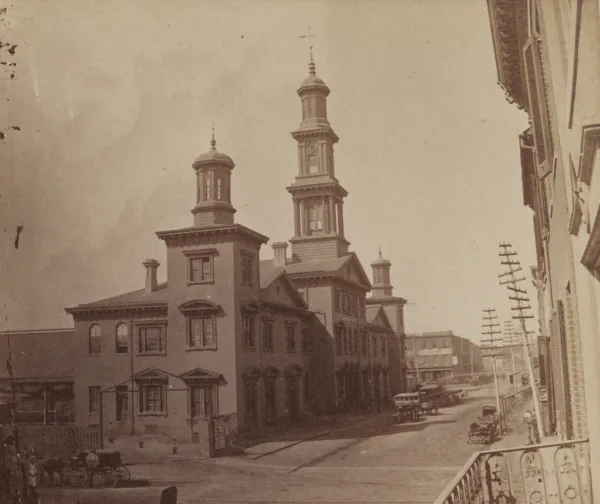
The Camden in Oriole Park at Camden Yards comes from an 1857 B&O depot that saw Lincoln pass through in secret, the Pratt Street Riot of 1861 and the railroad strike riot of 1877.
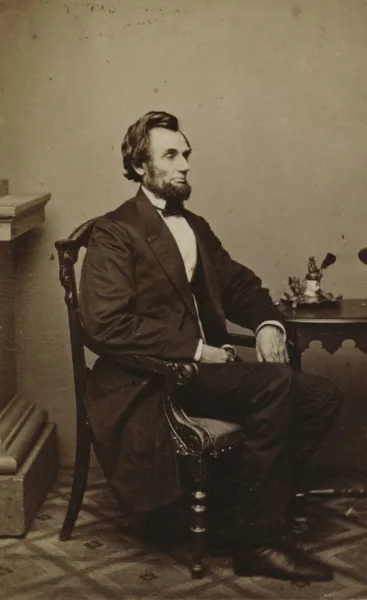
By noon on Feb. 23, 1861, thousands of Baltimoreans had packed Calvert Station to see Abraham Lincoln. He had already slipped through town in a sleeping car before dawn.

A 1908 newspaper report describes Baltimore’s claim against the federal government for wartime use of Lafayette Square and the dispute over the city’s loyalty.
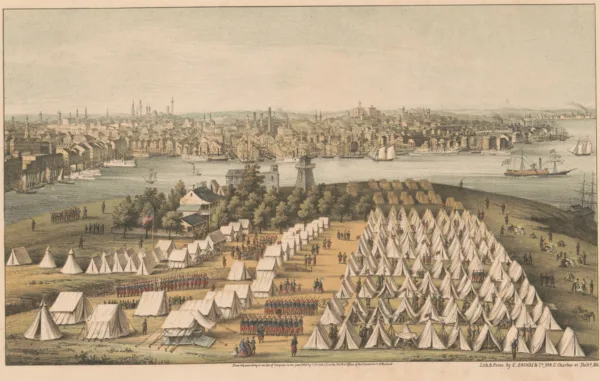
The tunnels under Federal Hill are real: 19th-century sand mines and brewery vaults that broke through to the surface again in 1903, 1911, 1927 and 1992.

An 1862 print combines four views of Fort Federal Hill during the Civil War.
There’s more where these came from.
Lost Baltimore stories in your inbox most mornings: the newest, plus a few from the archive.
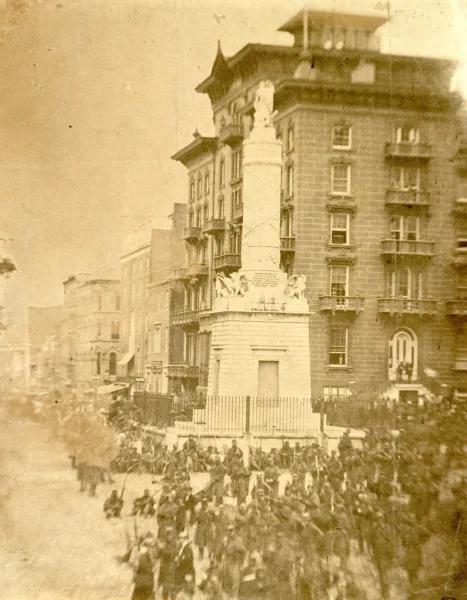
This Civil War photograph shows the 6th Massachusetts Regiment bivouacked in Baltimore’s Monument Square.

This Civil War map shows Camp Patterson Park and includes a directory of soldiers.

William S. Hawkins condemned Lincoln’s assassination in an April 1865 letter written from Camp Chase prison.

An illustration depicts the American flag being raised over Baltimore’s custom house on May 1, 1861, shortly after the April riot.

Two illustrations record New York volunteer regiments at Baltimore’s Camp Belger during the Civil War.